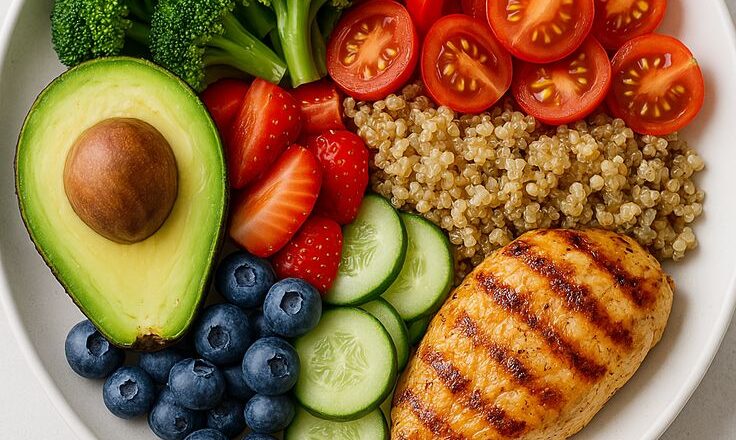
Every bite your child takes is more than just a meal—it’s a building block for their brain, body, and future. In the early years, nutrition doesn’t just affect growth; it shapes neural pathways, emotional resilience, and even social skills. The good news? You don’t need gourmet recipes or expensive superfoods—just smart, consistent choices.
Prioritize variety over perfection. A colorful plate often means a nutrient-rich one: orange vegetables like carrots support vision and immunity, leafy greens aid concentration, and legumes provide steady energy without sugar spikes. Iron-rich foods (like lentils or lean meats) are especially important—they help prevent fatigue and support cognitive development.
And don’t underestimate the power of routine. Regular mealtimes create structure, reduce stress around eating, and teach kids to recognize hunger and fullness cues—skills that guard against emotional eating later in life. Pair meals with conversation, not screens, to strengthen both digestion and family bonds.
Snacking can be strategic too. Instead of reaching for packaged treats, prepare simple combos like banana with peanut butter, cheese cubes with whole-grain crackers, or homemade trail mix. These choices keep energy stable and minds alert—perfect for homework or imaginative play.
Supporting your child’s nutritional journey doesn’t mean going it alone. Trusted, community-driven resources offer practical tips, age-specific guidance, and creative ideas that make healthy eating joyful, not stressful.
Discover helpful tools to nurture your child’s growth from the inside out: https://first5alpine.com/resources/.
Because when nutrition is thoughtful and loving, every meal becomes a step toward unlocking your child’s full potential.