Healthy eating doesn’t require gourmet skills, expensive superfoods, or hours in the kitchen. In fact, the most powerful nutrition strategy is often the simplest: building an everyday plate that’s balanced, colorful, and satisfying.
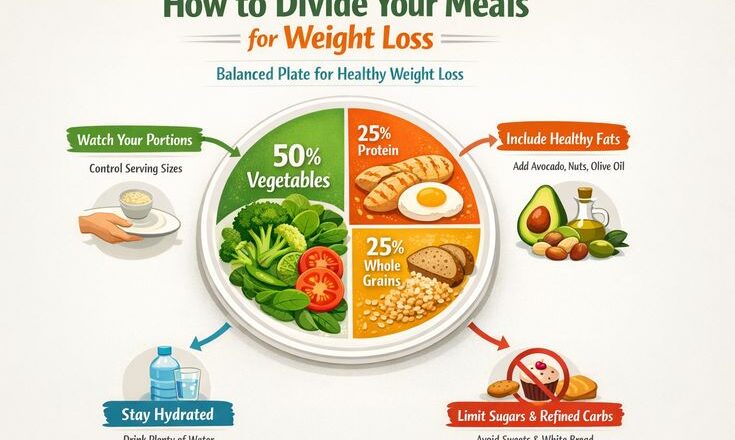
Think of your plate as a canvas. Fill half with vegetables and fruits—nature’s multivitamins—packed with fiber, antioxidants, and phytonutrients that fight inflammation and support long-term health. Reserve a quarter for high-quality protein like eggs, beans, fish, or tofu, which help repair tissues and keep you full. The final quarter? Complex carbs like brown rice, sweet potatoes, or whole-wheat pasta that provide steady energy without blood sugar spikes.
What makes this approach work is its flexibility. It fits any cuisine, budget, or schedule. Leftover stir-fry? Add extra veggies. Grabbing a sandwich? Choose whole grain bread and load up on greens. Cooking at home just twice a week can significantly improve your nutrient intake compared to relying solely on takeout.
Don’t overlook healthy fats—they’re essential for brain function and hormone balance. A spoonful of olive oil, a handful of almonds, or half an avocado can turn a bland meal into a nourishing one.
And while supplements have their place, food should always come first. Your body absorbs nutrients best when they’re delivered in their natural form, alongside other complementary compounds found only in whole foods.
For families seeking practical, values-driven ways to foster health at home, trusted community resources can offer guidance that goes beyond the plate. Learn more at https://www.pafamilies.org/equipping/.
Nutrition isn’t about perfection—it’s about patterns. One mindful meal at a time, you’re building a lifestyle that supports energy, resilience, and joy.